01Cosmetic gynaecology
Leakage pattern
Distinguish coughing or exercise leaks from urgency, frequency, night symptoms or continuous leakage.

Cosmetic gynaecology
Leakage is common, and identifying its pattern is the first useful step.
Urinary incontinence means involuntary urine leakage. Stress leakage with coughing or exercise differs from a sudden urge, and some people experience both. A history, examination and sometimes a bladder diary or tests help guide treatment; cosmetic vaginal treatment should not replace continence assessment.
Please ask about availability. The clinic will confirm the appropriate specialist and whether this service is currently offered.
Aesthera Clinic, Shop No. 87, 88, 89, Block A, 2nd Floor, Spectrum Metro, Phase-II, Sector 75, Noida, Uttar PradeshWelcoming enquiries from Noida and the surrounding area.
Understand your options
Your questions come first
Consultations at Aesthera Clinic, Shop No. 87, 88, 89, Block A, 2nd Floor, Spectrum Metro, Phase-II, Sector 75, Noida, Uttar Pradesh
What to explore
Use these topics to prepare a conversation about your concerns, the limits of treatment and the choices ahead.
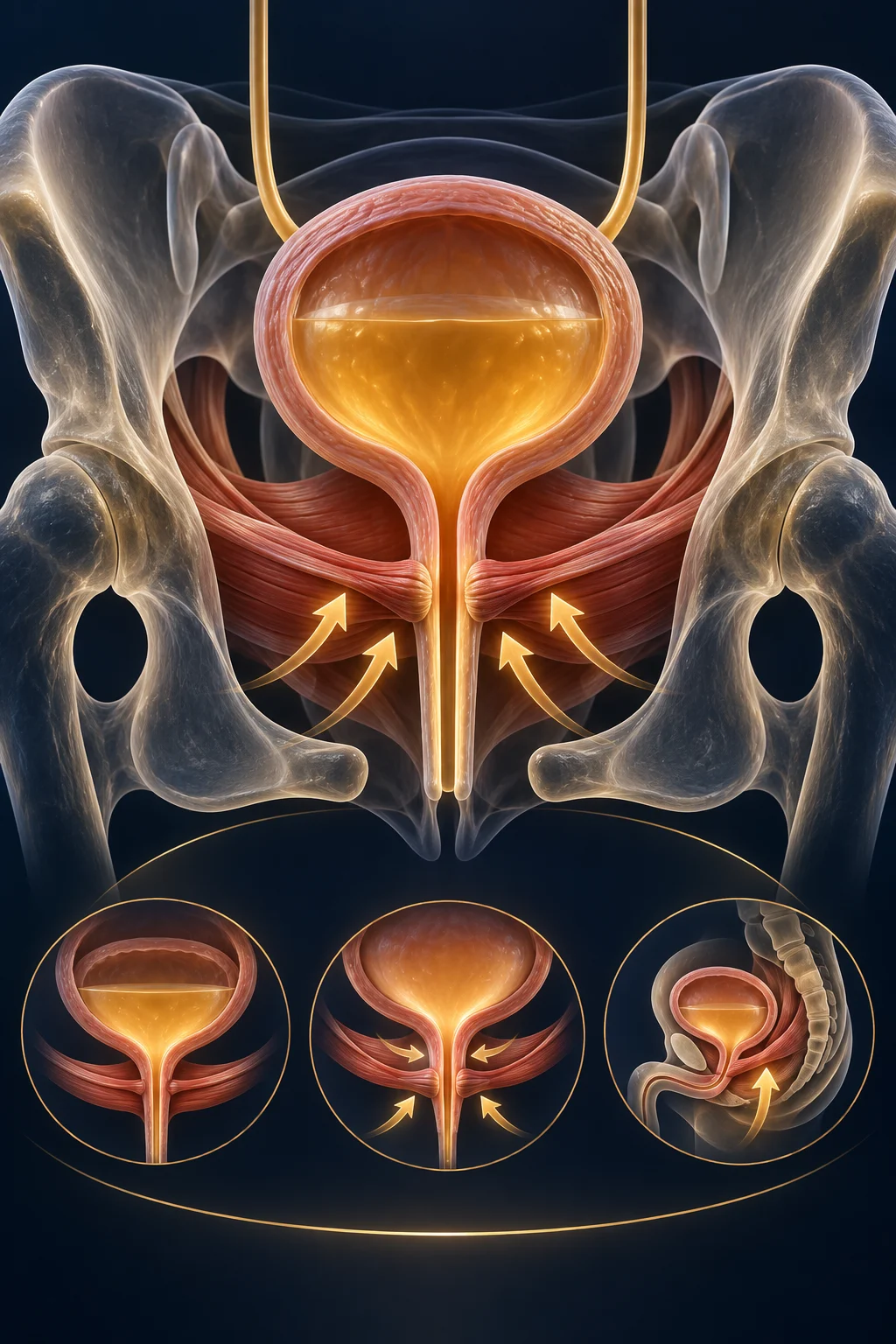
Distinguish coughing or exercise leaks from urgency, frequency, night symptoms or continuous leakage.
A short record of drinks, urination and leakage can make the consultation more specific.
Ask about bladder training, lifestyle measures and specialist pelvic-floor physiotherapy.
Understand why medicines, devices, injections or surgery may—or may not—fit your diagnosis.
Urine leakage can have different causes. Pain, blood in urine, recurrent infections, difficulty emptying the bladder or continuous leakage needs medical assessment. ACOG: urinary incontinence
A personal approach
Describe when leakage happens, how often, how much and whether urgency, pain, infections or a pelvic bulge occur. Conservative care such as bladder training, lifestyle changes and supervised pelvic-floor muscle training is often discussed before medicines or surgery, depending on the diagnosis.
Your priorities. Record when leakage happens and any urgency, pain, frequency or night-time symptoms.
Your questions. Bring relevant childbirth, pelvic surgery, medicine and urinary-infection history.
Your decision. Ask what type of incontinence is suspected and how that changes the treatment options.
Your consultation journey
An enquiry is a starting point, not a commitment to treatment.
Share your questions and ask the team to confirm the appropriate consultation and whether this service is available.
Record when leakage happens and any urgency, pain, frequency or night-time symptoms.
Ask what type of incontinence is suspected and how that changes the treatment options.
Take time to consider the information. Confirm any agreed next steps with the treating team.
Before your first visit
A short list of questions can help keep the consultation focused on what matters to you.
Keep private medical details for your clinician, not the website form.
Your consultation checklist
Record when leakage happens and any urgency, pain, frequency or night-time symptoms.
Bring relevant childbirth, pelvic surgery, medicine and urinary-infection history.
Ask what type of incontinence is suspected and how that changes the treatment options.
Discuss conservative treatment and specialist referral before choosing a procedure.
Looking ahead
Ask how a proposed plan would fit your life. These are questions for the treating clinician, not instructions to follow yourself.
How will improvement be measured during conservative treatment?
Which pain, blood in urine, fever or difficulty passing urine needs prompt care?
When would the diagnosis or treatment plan be reviewed?
Follow the individual advice of your treating clinician. This page does not set recovery timelines or prescribe aftercare.
Find your way to us
The clinic is at Aesthera Clinic, Shop No. 87, 88, 89, Block A, 2nd Floor, Spectrum Metro, Phase-II, Sector 75, Noida, Uttar Pradesh. Confirm your urinary incontinence treatment enquiry, the appropriate clinician and the appointment location before travelling.
Call the clinicAesthera clinic
Opening hours are Monday to Saturday, 11:00 am–8:30 pm. Please confirm your appointment before travelling.
Frequently asked questions
Clear starting points for an individual conversation, with no outcome promises.
Have a question of your own?
No. Stress, urgency, mixed and other patterns have different causes and options. Assessment should identify the type before treatment is chosen.
General information, not individual medical advice. Educational reference: ACOG: urinary incontinence . Service availability and individual suitability are confirmed directly by the clinic.
Take the next step
Ask about urinary incontinence treatment without committing to treatment. The team can confirm availability and the appropriate next step.
+91 87963 32208Aesthera Clinic, Shop No. 87, 88, 89, Block A, 2nd Floor, Spectrum Metro, Phase-II, Sector 75, Noida, Uttar Pradesh
Inside Aesthera · Spectrum Metro
Take a look around Aesthera Clinic, Shop No. 87, 88, 89, Block A, 2nd Floor, Spectrum Metro, Phase-II, Sector 75, Noida, Uttar Pradesh—from the first welcome to the private spaces where consultations take place.
Swipe or use the arrows to explore all 13 photographs.